Parliament today (11) drew attention to the significant decline in the number of beneficiaries receiving the government’s Aswesuma welfare allowance for low-income families compared with 2025.
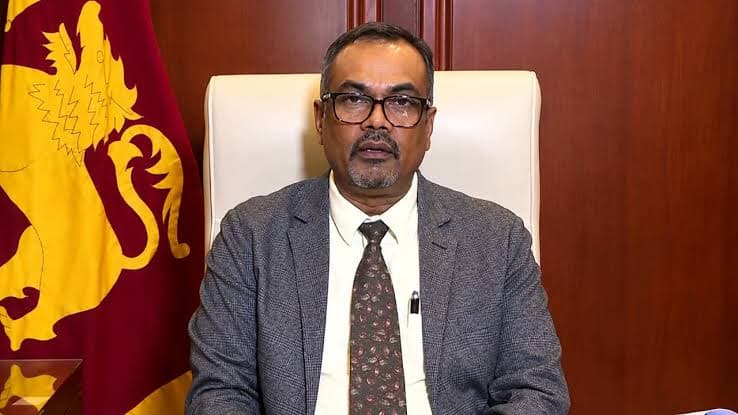
The figure was revealed in response to a question raised by Opposition Leader Sajith Premadasa and answered by Deputy Minister of Finance and Planning Dr. Anil Jayantha Fernando.
The Opposition Leader questioned whether the reduction in Aswesuma beneficiaries had been carried out in accordance with instructions from the World Bank and the International Monetary Fund to reduce the welfare programme for low-income families.
Responding to the question, the Deputy Minister said the Aswesuma programme was launched in 2023 and that the programme itself includes provisions for beneficiaries to undergo a reassessment.
Accordingly, applications received during the first and second phases are currently being re-certified, and the process is expected to be completed by the end of September. Around 90% of the process has been completed so far, he said.
The Deputy Minister said there were 1,773,445 beneficiary families when the programme was launched in 2023. The number stood at 1,761,116 in December 2024.
The number of beneficiaries increased to 2,439,917 in 2025 but had fallen to 1,251,522 by August 2026, according to the figures presented in Parliament.
He explained that Aswesuma beneficiaries were initially categorised into four groups: extremely poor, poor, vulnerable and transitional.
Payments to the transitional category ended in December 2025, while payments to the vulnerable category ended in June 2026. At present, the government is providing Aswesuma benefits only to the extremely poor and poor categories, he said.
The Deputy Minister also said that under a Gazette notification issued on December 15, 2025, the allowance for the extremely poor category was increased from Rs. 15,000 to Rs. 17,500, while the allowance for the poor category was increased from Rs. 8,500 to Rs. 10,000. The transitional category allowance was increased from Rs. 2,500 to Rs. 5,000.